Topaz has a reputation for being tough, and in many ways it earns it. On the Mohs scale it sits at 8, which puts it above quartz and well above most of the stones you'll find in everyday jewellery. But hardness is only part of the story. Topaz also has what gemmologists call perfect basal cleavage, meaning it can split cleanly along one plane if it's knocked or heated sharply. Add the fact that many topaz stones have been treated to deepen their colour, and you have a gem that rewards a gentler approach than, say, a diamond or a sapphire.
Get the routine right and your topaz will keep its clarity and colour for decades. Get it wrong and you're looking at a cloudy stone, a dulled surface, or in the worst case a crack that runs through the middle of a ring you love. Here's how to clean topaz jewellery properly, and what to keep well away from it.
Start With the Safest Method: Warm Water and Washing-Up Liquid
For most topaz jewellery, you don't need anything more technical than a bowl of warm water and a drop of mild washing-up liquid. This is the method to reach for first, and often the only one you'll ever need.
- Fill a small bowl with lukewarm water. Not hot, not cold. If it's comfortable on your wrist, it's fine.
- Add one or two drops of plain washing-up liquid and swirl it through.
- Let the piece soak for ten to fifteen minutes to soften any grease or hand cream.
- Lift it out and work around the stone and setting with a soft-bristled toothbrush, paying attention to the underside of the setting where grime collects.
- Rinse under lukewarm running water with the plug in the sink, or better still, rinse over a small sieve.
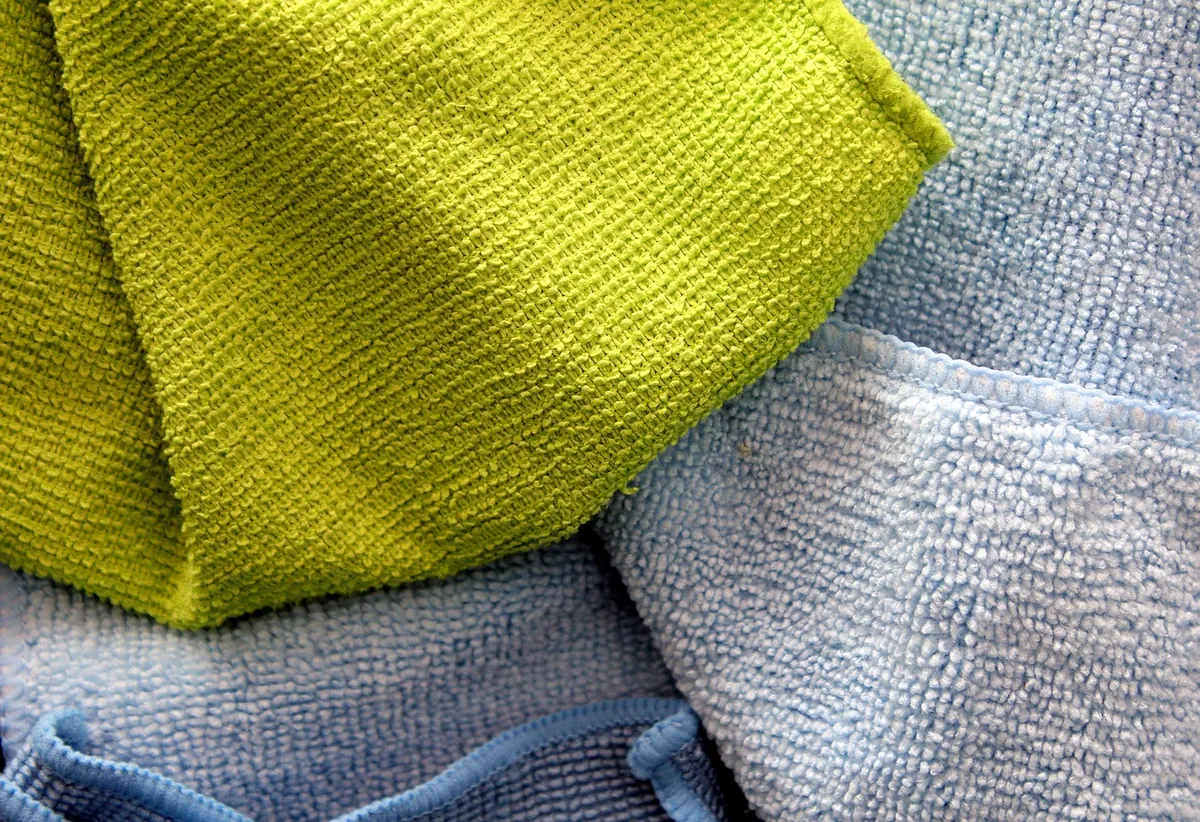
- Pat dry with a soft, lint-free cloth and leave it on a towel to air for half an hour before wearing or storing.
That last point matters more than people expect. Moisture trapped behind a stone can dull it and, over time, work its way into the setting. A few minutes of drying time is cheap insurance.
Why Heat Is the Real Risk With Topaz
If there's one rule to remember about topaz, it's this: keep it away from sudden temperature changes. Thermal shock is the most common way a topaz gets ruined at home, and it usually happens in seconds.
That means no boiling water, no steam cleaners, no pouring hot water over a ring to loosen dirt, and no leaving a piece on a sunny windowsill or a radiator. It also means not going straight from a warm room into a cold garden in winter while wearing a topaz pendant, though that's a slower and less likely problem than the kitchen-sink variety.
The reason is that perfect cleavage plane. Topaz expands and contracts unevenly when heated, and a sharp change in temperature can create an internal fracture or extend one that's already there. A stone that looked flawless can develop a visible feather across its face. Some treated topaz, particularly stones that have been irradiated or coated, can also lose colour or finish when exposed to heat.
Skip the Ultrasonic and Steam Cleaners
Jewellers' ultrasonic cleaners are brilliant for diamonds and sapphires. They're a poor choice for topaz. The vibrations can loosen a stone from its setting, and if the topaz already has a small internal fracture, the agitation can make it worse. Steam cleaners combine heat and pressure, which is exactly the combination topaz dislikes most.
If you want a professional clean, ask your jeweller to clean it by hand and tell them the stone is topaz. Most will do this without hesitation and won't charge much, if anything, for a quick clean while you wait.
Chemicals to Avoid Entirely
Topaz is not a stone you want to experiment on with household products. A few things to keep firmly out of reach:
- Bleach and chlorine. Both can dull a polished surface over time, and chlorine is unkind to many metal settings too.
- Ammonia-based cleaners. Common in commercial jewellery dips, and too aggressive for treated topaz.
- Acetone and nail varnish remover. Can attack coated stones and some composite settings.
- Vinegar and lemon juice. Mildly acidic, and best kept for the salad.
- Abrasive creams and whitening toothpaste. These scratch the surface rather than clean it.
- Silver dip. Fine for silver chains on their own, but not for anything set with a gemstone.
There's a common bit of folk wisdom that topaz is safe in acid because it's a silicate. It isn't a sensible risk to take with a finished piece of jewellery, especially one with a treated stone or a plated setting. Warm soapy water does the job.
Cleaning Around the Setting and Metal
The stone often isn't the fragile part. Prongs, claws and bezels collect soap scum, skin oils and dust, and a build-up of grime around the base of a stone makes it look dull even when the topaz itself is spotless.
Use a wooden cocktail stick or a plastic toothpick to gently clear the gap between the stone and the metal. Never use a metal pin or needle, which will scratch both. For silver settings, a silver polishing cloth used carefully around, not over, the stone will bring the metal back to life. For gold, a soft cloth is usually enough.
Check the setting while you're there. If a prong has lifted or a stone rocks slightly when you press it gently with a fingertip, stop cleaning and take it to a jeweller. A loose topaz is one knock away from a chip or a lost stone.
Everyday Habits That Protect Topaz
Cleaning is the occasional job. The daily habits do more to preserve a stone.
- Put jewellery on last, after perfume, hairspray and body lotion have settled.
- Take rings off before washing up, gardening, swimming or going to the gym.
- Remove topaz pieces before showering, bathing or using a hot tub.
- Store topaz separately from diamonds and other hard stones. A diamond will scratch topaz, and it will do it quietly over months in a jewellery box.
- Keep pieces in a soft pouch or a compartment of their own, away from direct sunlight.
- Clean little and often rather than leaving a piece for a year and then scrubbing it hard.
Blue topaz in particular can fade with prolonged exposure to strong sunlight, so a dark drawer or a lined box is a better home than a windowsill display.
A Simple Routine Worth Sticking To
Once a month, give your topaz jewellery a ten-minute soak in warm water with a drop of washing-up liquid, a gentle brush with a soft toothbrush, a lukewarm rinse and a proper dry. Once a year, take your most-worn pieces to a jeweller for a check of the setting and a professional hand clean. Between those visits, keep the stone away from heat, chemicals and hard knocks, and you'll find topaz holds its colour and sparkle beautifully.
If you're ever unsure whether a stone can take a particular method, treat it as though it can't. There's no clean worth risking a fracture for. And if a piece has sentimental value or a significant stone, a quick word with a qualified jeweller or gemmologist is always the safer route.
Photo: bluebudgie / Pixabay